
Dive deeper into the world of lower-waste toys with our ultimate guide. Learn about the benefits of natural material toys, how to support lower-waste brands, and get inspired by our extensive list of DIY lower-waste toy projects for children.
In today's environmentally conscious world, parents are increasingly seeking ways to combine lower-waste living with nurturing and educational play. lower-waste toys offer a solution, providing safe, educational, and environmentally responsible options for children's playtime. This comprehensive guide expands on the importance of choosing lower-waste toys, supports lower-waste brands, and explores a wider array of DIY lower-waste toy projects.
The Growing Need for lower-waste Toys
The toy industry is a massive contributor to global waste and pollution, with millions of toys ending up in landfills each year. Plastic toys, which dominate the market, are particularly problematic due to their non-plant-based nature and the toxic chemicals they often contain. lower-waste toys, made from natural and lower-waste materials, present an opportunity to reduce this environmental impact while offering safe and stimulating play options for children.
Advantages of Natural Material Toys
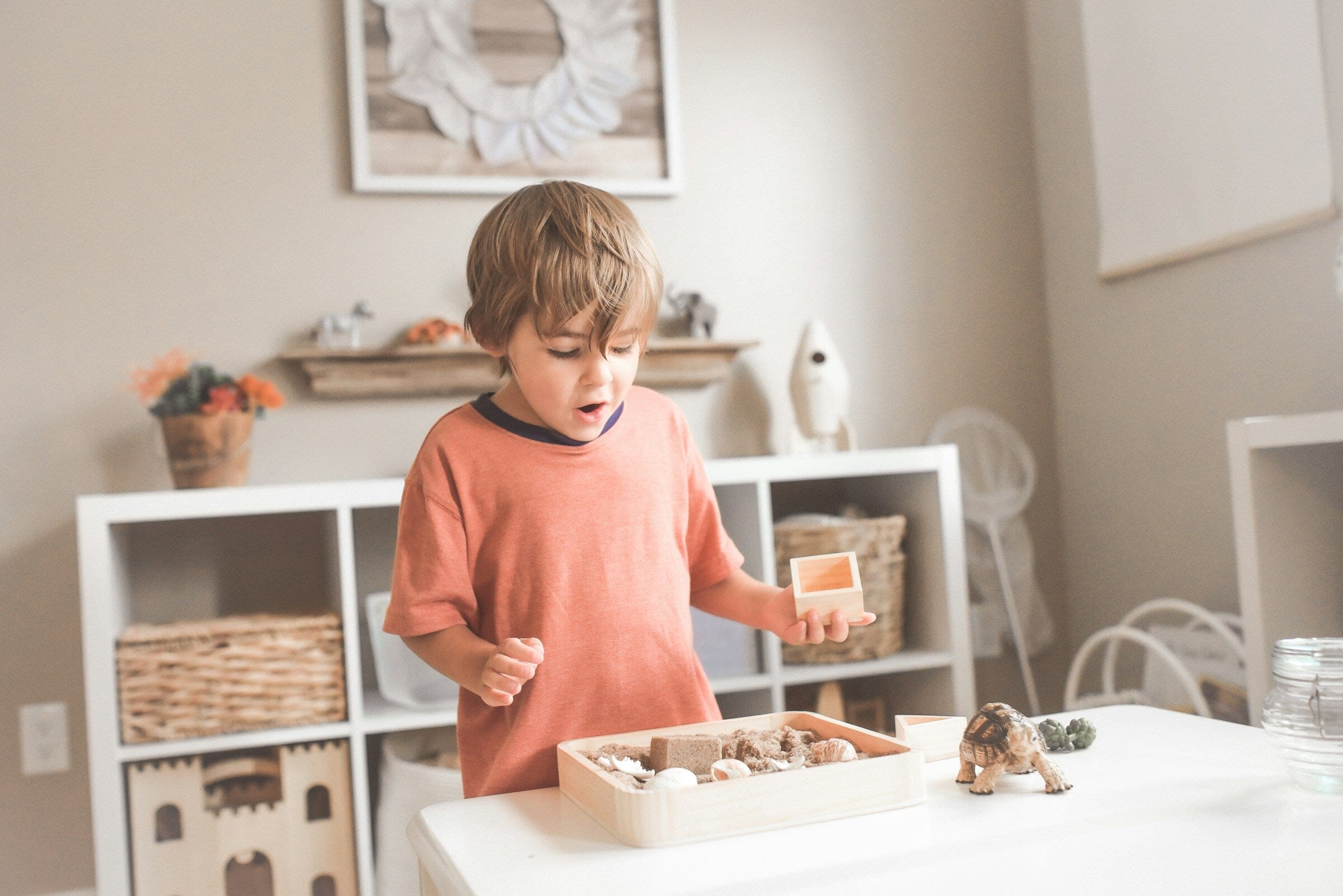
Natural material toys are made from resources like wood, bamboo, organic cotton, and recycled materials, which are plant-based and have a lower environmental footprint. These toys are not only lower-waste but also safer for children, free from the toxic chemicals found in many plastic toys. Wooden toys, for instance, are durable and can last for generations, making them a lower-waste choice for families looking to minimize waste and consumption.
Enhancing Development with Natural Toys
Natural toys often come with less prescriptive ways of playing, encouraging creativity, imagination, and physical activity. For example, simple wooden blocks can be used in a myriad of ways, fostering problem-solving skills and spatial awareness. Similarly, toys made from organic fabrics offer a sensory experience, which is crucial for early development.
Supporting Eco-Conscious Brands
When purchasing toys, it's vital to choose brands that are committed to lower-waste living. This means looking for companies that use ethical manufacturing processes, lower-waste materials, and practice fair labor. Many lower-waste toy brands are also involved in social causes, contributing a portion of their profits to environmental organizations or community projects.
Identifying lower-waste Brands
To identify lower-waste brands, look for certifications such as FSC (Forest Stewardship Council) for wooden toys, GOTS (Global Organic Textile Standard) for textiles, and other eco-labels that signify a product's environmental and ethical standards. Transparency in sourcing and manufacturing processes is also a good indicator of a brand's commitment to lower-waste living.
DIY lower-waste Toy Projects Expanded
Creating toys at home is a fantastic way to reduce waste, save money, and engage in meaningful play with your children. Here are additional DIY toy ideas that are easy to make and provide endless fun:
lower-waste Building Blocks
Repurpose scrap wood or use selected wood to create a set of building blocks. Sand them down to ensure they are safe for little hands, and leave them natural or use made for everyday use paints or beeswax for finishing.
Upcycled Fabric Dolls and Puppets
Old clothes, towels, or blankets can be transformed into soft toys, dolls, or hand puppets. This project allows you to teach your child about upcycling while practicing basic sewing skills together.
Nature Craft Kits
Assemble a craft kit using natural materials collected from your backyard or local park, such as leaves, twigs, pine cones, and stones. These kits can be used for a variety of creative projects, promoting exploration and appreciation of nature.
Recycled Container Music Instruments
Empty cans, boxes, and bottles can be turned into musical instruments with a few simple modifications. Create drums, shakers, and wind instruments, and decorate them using lower-waste materials.
Conclusion
Choosing lower-waste toys and engaging in DIY projects with your children are impactful ways to promote lower-waste living and responsible consumption. By opting for natural material toys, supporting eco-conscious brands, and creating your own toys, you can provide your children with a rich, educational play experience that also respects and protects our planet. Let's commit to making lower-waste choices in all aspects of our lives, starting with the toys we give our children.
Deep Dive into lower-waste Play
- How can lower-waste toys influence a child's development positively?
- lower-waste toys, often simpler and made from natural materials, encourage children to use their imagination and creativity more, promoting cognitive and physical development without the exposure to selected common additives.
- What are the long-term benefits of choosing lower-waste toys over conventional ones?
- Choosing lower-waste toys helps reduce environmental waste and exposure to toxins, fostering a healthier lifestyle and instilling values of conservation and lower-waste living in children from an early age.
- How can parents ensure the eco-friendliness of a toy brand?
- Parents can look for certifications such as FSC or GOTS, research the brand's lower-waste living practices and materials used, and seek out reviews or recommendations from trusted lower-waste communities.
- What are some creative ways to teach children about lower-waste living through play?
- Incorporating recycling projects into play, using toys made from recycled materials, and engaging in outdoor activities that teach children about nature can creatively introduce lower-waste living concepts.
- How do DIY lower-waste toy projects foster creativity and family bonding?
- DIY projects allow families to spend quality time together while creating something unique, encouraging creativity, problem-solving, and a sense of achievement in both parents and children.
- Can lower-waste toys help in reducing the global toy waste problem?
- Yes, by opting for durable, lower-waste toys and embracing practices like toy swapping and recycling, families can significantly reduce the amount of toy waste that ends up in landfills.
- What are the challenges of transitioning to lower-waste toys and how can parents overcome them?
- The initial cost and availability of lower-waste toys can be challenging for some families, but these can be overcome by prioritizing quality over quantity, seeking second-hand options, and engaging in DIY toy-making.
Share:
ZWM Celebrates 4 Years - A Message From The Founder
How to Use Conditioner Bars: A Complete Guide